

PERTANYAAN SEKARANG
 Search for...
Mid Range Irrigation Sprinkler Manufacturers
Mist Mid Range Sprinkler adalah alat penyiram kabut halus yang dirancang untuk area jarak menengah yang memerlukan semprotan air yang lembut dan merata. Nosel dapat memecah aliran air menjadi kabut yang sangat halus, sehingga menghindari dampak langsung tetesan air pada tanaman, dan sangat cocok untuk mengairi bibit, bunga, dan tanaman sensitif. Desain atomisasinya yang halus juga dapat secara efektif mengurangi kehilangan penguapan air dan meningkatkan efisiensi pemanfaatan sumber daya air. Nosel ini juga dapat beradaptasi dengan berbagai kondisi iklim, mudah dioperasikan, dan dapat menyesuaikan radius semprotan sesuai kebutuhan untuk memenuhi kebutuhan irigasi dalam berbagai skenario. Dirancang dengan mempertimbangkan konservasi air dan irigasi yang efisien, ini ideal untuk aplikasi berkebun dan pertanian berukuran sedang.
Penyiram Kabut Jarak Menengah
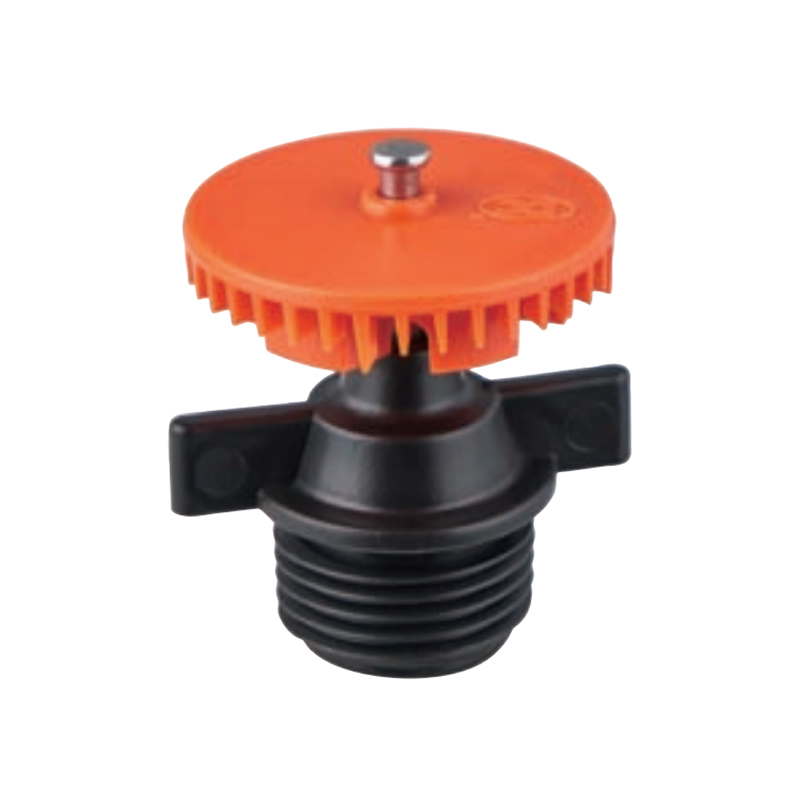

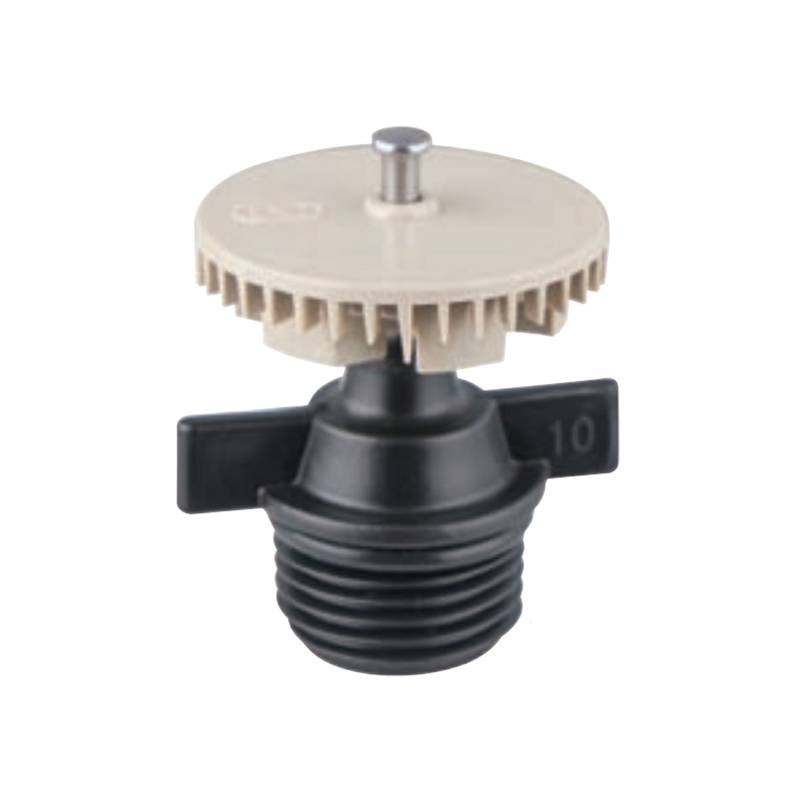
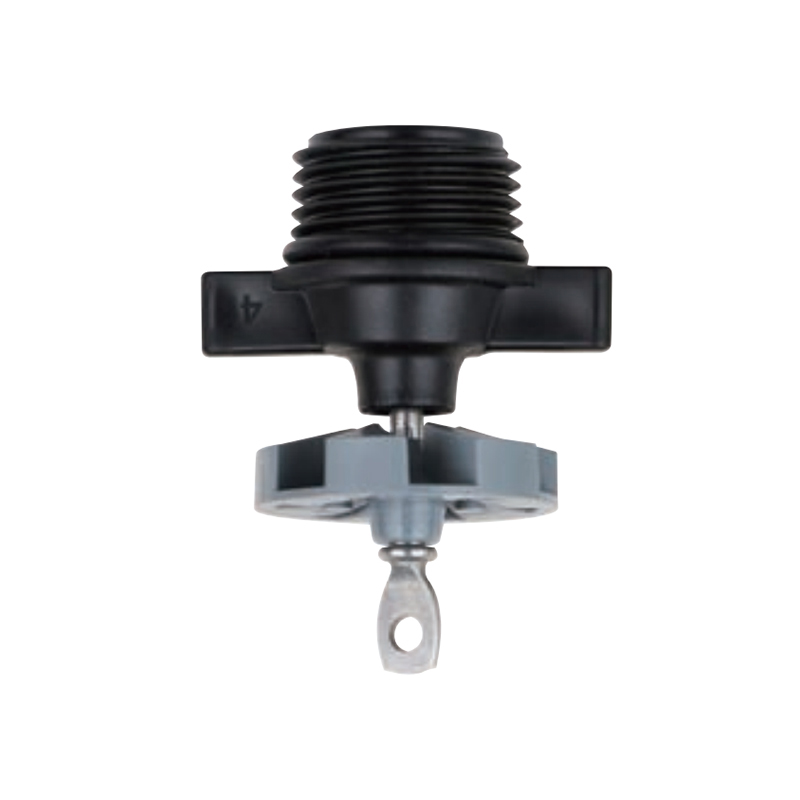
DC-S55
| I n ukuran antarmuka | 1/2” |
| Jangkauan | 4-5m |
| Tekanan | 2.0~3.0bar |
| Fluks | 700~1000L/jam |
Hubungi Kami
DC-S55-1
| I n ukuran antarmuka | 1/2”,3/4'' |
| Jangkauan | 3,5-4,5m |
| Tekanan | 2.0~3.0bar |
| Fluks | 500~800L/Jam |
Hubungi Kami
DC-S55-3
| I n ukuran antarmuka | 1/2”,3/4'' |
| Jangkauan | 3,5-4,5m |
| Tekanan | 2.0~3.0bar |
| Fluks | 500~800L/Jam |
Hubungi Kami
Tentang Kami
Ningbo Dewo Irrigation Equipment Co., Ltd.
Ningbo Dewo Irrigation Equipment Co., Ltd. is China Mid Range Irrigation Sprinkler Manufacturers and Mid Range Irrigation Sprinkler Factory, in Yuyao City, Ningbo, Zhejiang Province. It is adjacent to the two major ports of Ningbo and Shanghai and has very convenient transportation.
Dengan 20 tahun pengalaman manufaktur profesional, ini adalah produsen formal yang mengintegrasikan desain produk, R&D, produksi, dan penjualan. Perusahaan ini mengkhususkan diri dalam produksi dan penjualan berbagai produk irigasi hemat air.
Irigasi Dewo meliputi area seluas 15.000 meter persegi. Ini memiliki serangkaian peralatan lengkap seperti pembuatan cetakan injeksi, perakitan, dan pengujian untuk memastikan kualitas dan waktu pengiriman pesanan pelanggan.
Mengoperasikan sistem manajemen mutu ISO9001 secara terus menerus dan efektif, menyediakan kondisi yang diperlukan untuk memenuhi kebutuhan pelanggan.
Perusahaan kami selalu mengambil "penghematan air" sebagai konsepnya dan "mengutamakan integritas, mengutamakan kualitas" sebagai konsepnya. Kami menantikan kerja sama yang tulus, kerja sama jangka panjang, dan pengembangan yang saling menguntungkan dengan teman-teman dari semua lapisan masyarakat di dalam dan luar negeri.
Kebajikan ada di mana-mana, dan ladang subur berjarak ribuan mil jauhnya! Berdasarkan kebajikan, kita akan bekerja sama untuk ladang yang subur!
Berita
-
Merancang sistem sprinkler adalah pekerjaan praktis, bukan permainan tebak-tebakan. Desain yang tepat di...
READ MORE -
Cara Irigasi Tetes : Garis Bawah Di Depan Sistem irigasi tetes berfungsi ketika Anda merencanakan ...
READ MORE -
Jawaban Singkat: Cara Memasang Sistem Irigasi Tetes Metode pemasangan inti sama untuk sebagian bes...
READ MORE -
Kebanyakan sistem irigasi tetes harus bekerja selama 1 hingga 4 jam per siklus penyiraman , nam...
READ MORE -
Menyiapkan sistem irigasi tetes untuk taman Anda adalah proyek yang mudah. Anda tidak memerlukan install...
READ MORE
Produk terkait
-
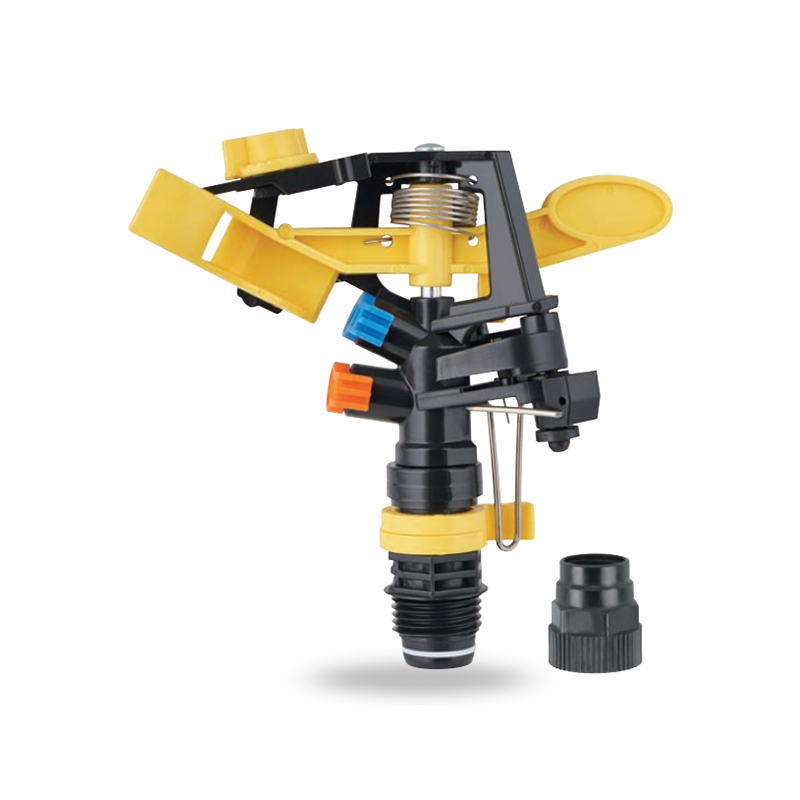
Alat penyiram dampak untuk irigasi pertanian adalah alat irigasi pertanian yang umum dan efisien yang dirancang untuk lahan pertanian yang luas. Strukturnya yang unik dapat menutupi area yang luas ...
See Details -
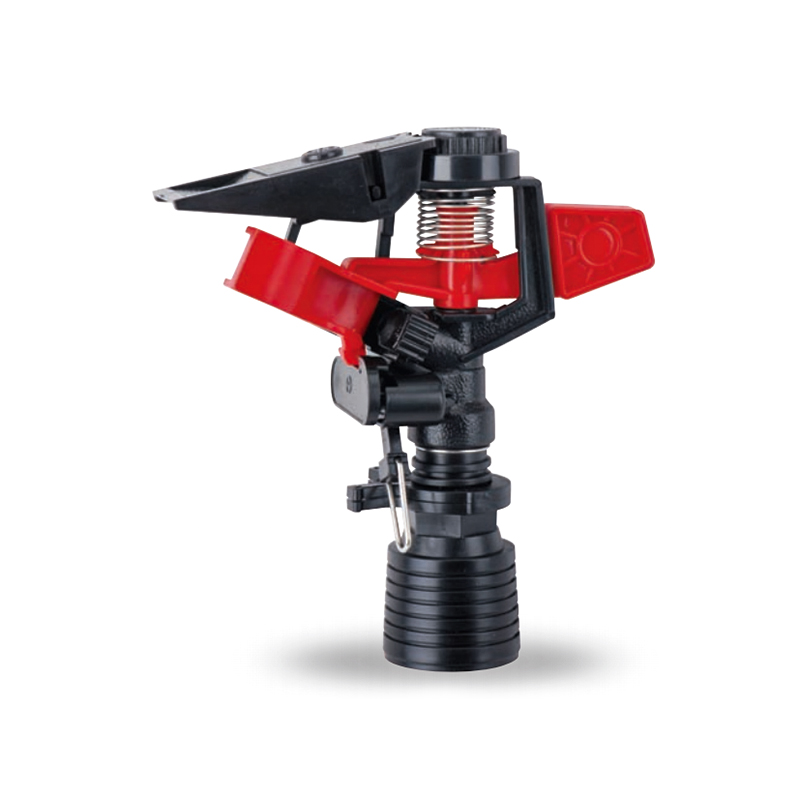
Alat penyiram dampak nosel lengan ayun 360 derajat yang dapat disesuaikan ini adalah bagian penting dari sistem irigasi yang dirancang untuk memenuhi berbagai kebutuhan hortikultura dan pertanian. ...
See Details -
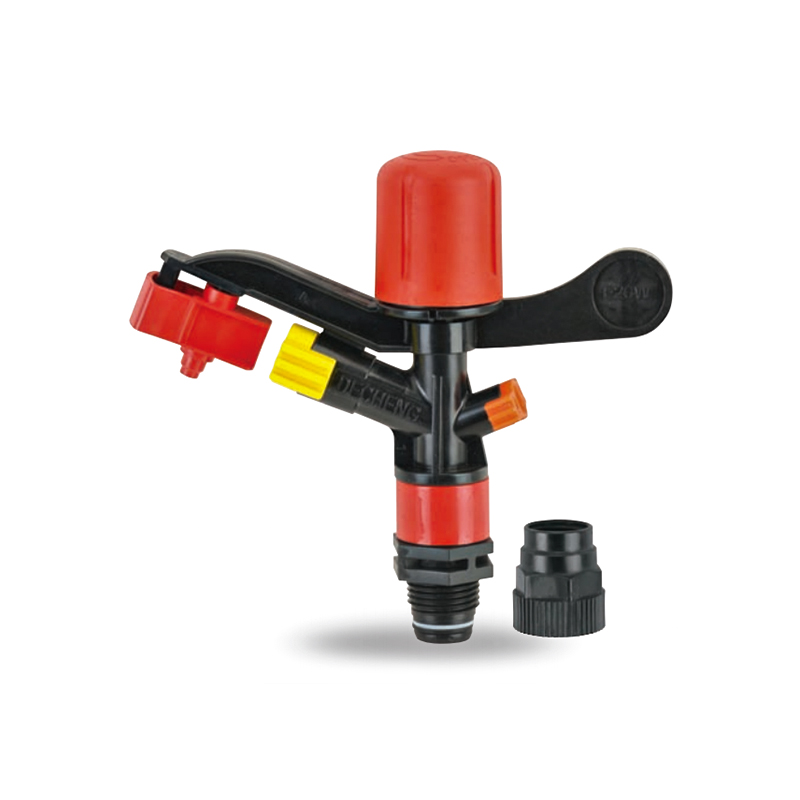
Penyemprot Penyiram Dampak Lingkaran Penuh Plastik adalah perangkat irigasi lingkaran penuh yang sangat efisien yang dirancang untuk memberikan cakupan kelembapan yang merata. Bahan plastiknya yang...
See Details -
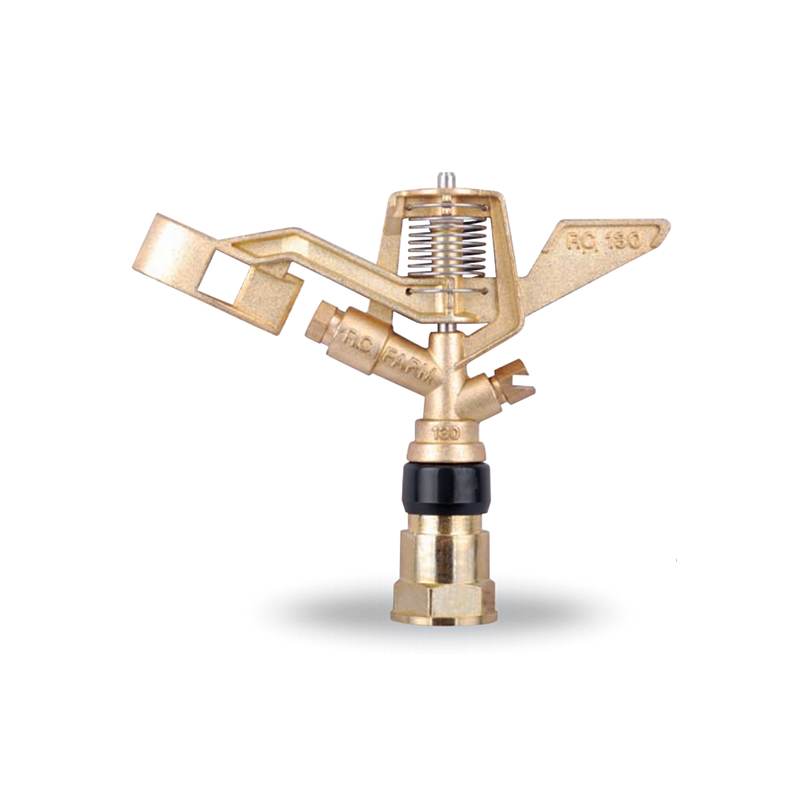
Penyiram Dampak Sistem Penyiraman Irigasi Lengan Putar Paduan Seng 3/4" ini ideal untuk sistem irigasi pertanian karena daya tahannya yang unggul dan ketahanan terhadap korosi. Konstruksinya yang k...
See Details -
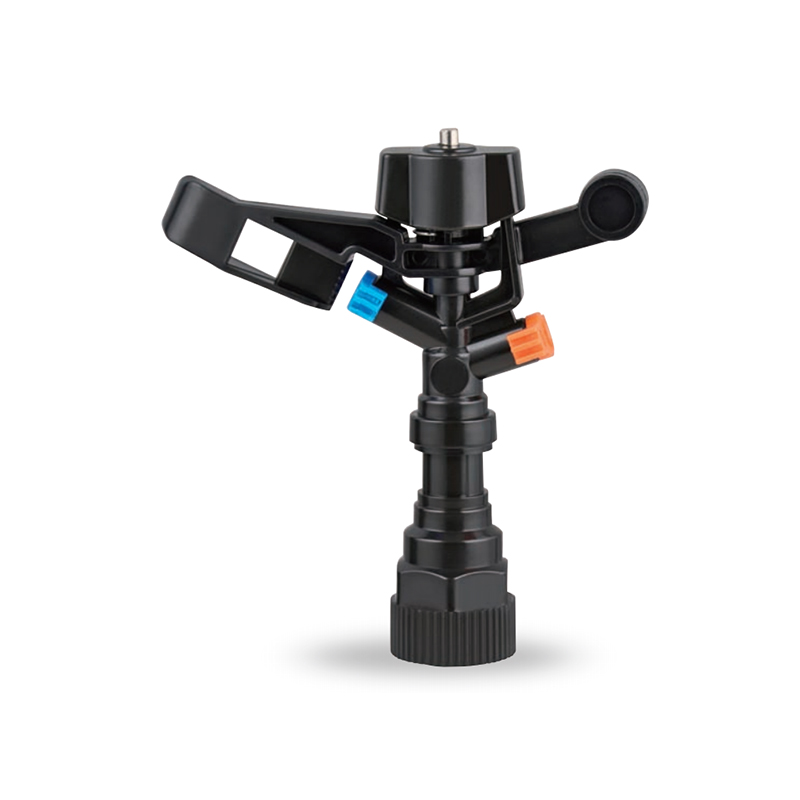
Alat penyiram lingkaran penuh dampak pertanian taman nosel ganda dirancang dengan baik untuk menyemprotkan air secara efisien dan merata, sehingga meningkatkan kualitas pertumbuhan tanaman. Baik di...
See Details -
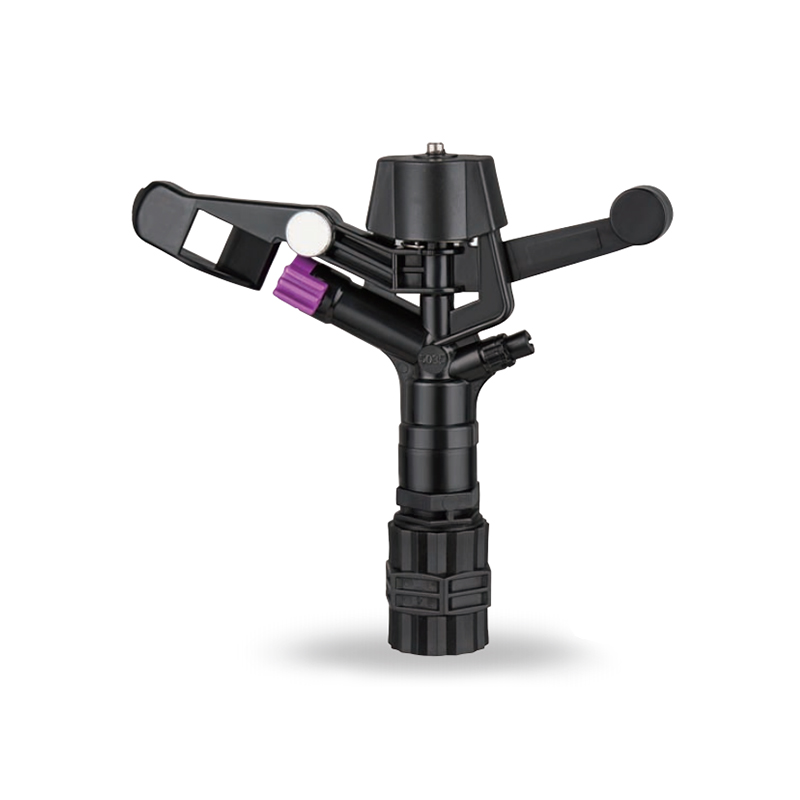
Alat penyiram dampak plastik air pertanian nosel ganda untuk alat penyiram irigasi menggabungkan kepraktisan dan daya tahan dengan sistem nosel ganda yang menyediakan cakupan air yang luas untuk be...
See Details
Umpan Balik Pesan
Penyiram Kabut Jarak Menengah Industry knowledge
How to maintain spraying accuracy of Mid Range Irrigation Sprinkler in strong wind environment?
As climate variability intensifies, agricultural operators worldwide face mounting challenges in sustaining irrigation efficiency—particularly in regions prone to strong winds. For mid range irrigation sprinkler, wind gusts can disrupt water distribution patterns, leading to uneven crop hydration, resource waste, and reduced yields. Ningbo Dewo Irrigation Equipment Co., Ltd., a Zhejiang-based leader in precision irrigation solutions, has engineered innovative mid-range sprinklers that defy these challenges, ensuring consistent performance even in harsh environmental conditions.
The Science Behind Wind-Resistant Sprinkler Design
Mid-range sprinklers (typically covering 15–30 meters) rely on precise droplet size, trajectory, and pressure control to optimize water distribution. In high-wind scenarios, traditional models often suffer from spray drift or uneven coverage due to aerodynamic interference. Dewo’s engineers address this through a multi-layered approach:
Pressure Compensation Technology: By integrating pressure-regulating diaphragms, Dewo’s sprinklers maintain stable flow rates regardless of pressure fluctuations caused by pump variability or elevation changes. This ensures uniform droplet size, minimizing wind-induced evaporation and drift.
Aerodynamic Nozzle Geometry: Computational fluid dynamics (CFD) simulations inform nozzle designs that reduce air resistance. The optimized shape directs water in cohesive streams, enhancing penetration through crosswinds while preserving radial throw distance.
Low-Trajectory Spray Patterns: Adjustable deflectors allow operators to lower the spray arc, reducing exposure to wind interference. Field tests show this configuration cuts water loss by up to 20% in gusts exceeding 8 m/s.
Durable Material Science: Constructed from UV-stabilized polymers and corrosion-resistant alloys, Dewo’s sprinklers withstand prolonged exposure to abrasive airborne particles common in windy environments.
Ningbo Dewo’s Competitive Edge
With two decades of expertise in agricultural irrigation, Ningbo Dewo Irrigation Equipment Co., Ltd. combines localized R&D with global best practices. Its proximity to Ningbo and Shanghai ports streamlines logistics for international clients, while its vertically integrated manufacturing process—from prototyping to mass production—ensures rigorous quality control.
Sustainability Meets Practicality
Beyond technical performance, Dewo’s systems align with global water conservation mandates. By minimizing overspray and evaporation, users report 15–30% reductions in annual water consumption—a critical advantage as water scarcity escalates.
For agricultural enterprises operating in wind-prone zones, investing in wind-resistant irrigation technology isn’t just a precaution—it’s a strategic imperative. Ningbo Dewo’s solutions exemplify how targeted engineering can turn environmental challenges into opportunities for sustainable growth.

PRODUK & LAYANAN

HUBUNGI KAMI
 No.518, Jalan Ruihao, Jalan Lizhou, Kota Yuyao, Provinsi Zhejiang, Cina
 +86-13105554615 / +86-18005843886
 decheng@dcssq.com fredzhu@dcssq.com
 LISA
LISA
 Fred Zhu
Hak Cipta © Ningbo Dewo Irrigation Equipment Co., Ltd. Semua Hak Dilindungi Undang-undang. China Mid Range Irrigation Sprinkler Manufacturers Mid Range Irrigation Sprinkler Factory
